 |
|
| You are here: Index > Surveys of Secondary Worlds > Avatar: The Last Airbender (2005-2008) | |
Reviewing Avatar: The Last Airbender (2005-2008)[written on 07-16-2026]Oh buddy, here we go. The reputation of this show more than precedes it. I should know, because I've seen it consistently called the greatest television series ever. It's at the top of just about every cartoon fan's chart, the #1 in the top 10s lists. I could go on, but you get the idea: whatever I write here would probably underscore what a hit this show is and how cherished it is amongst lovers of fantasy and animation. Which makes it somewhat incredible to say that, after a very fun watchalong with a good friend... I am actually disappointed with Avatar: The Last Airbender. BLASPHEMY! I know, I had quite the debate with my peers fresh off of watching the finale. But the ending doesn't actually encompass the extent of my criticisms with the show, its themes and the kind of story it tells. Considering how unpopular my stance on Avatar is — as the scores below should illustrate — I'll do my best to articulate where I disagree with the show and be generous as to point out what I *did* enjoy. Because make no mistake, The Last Airbender is a very enjoyable show, it's just not one that sits well with me as a fruit of its creators. 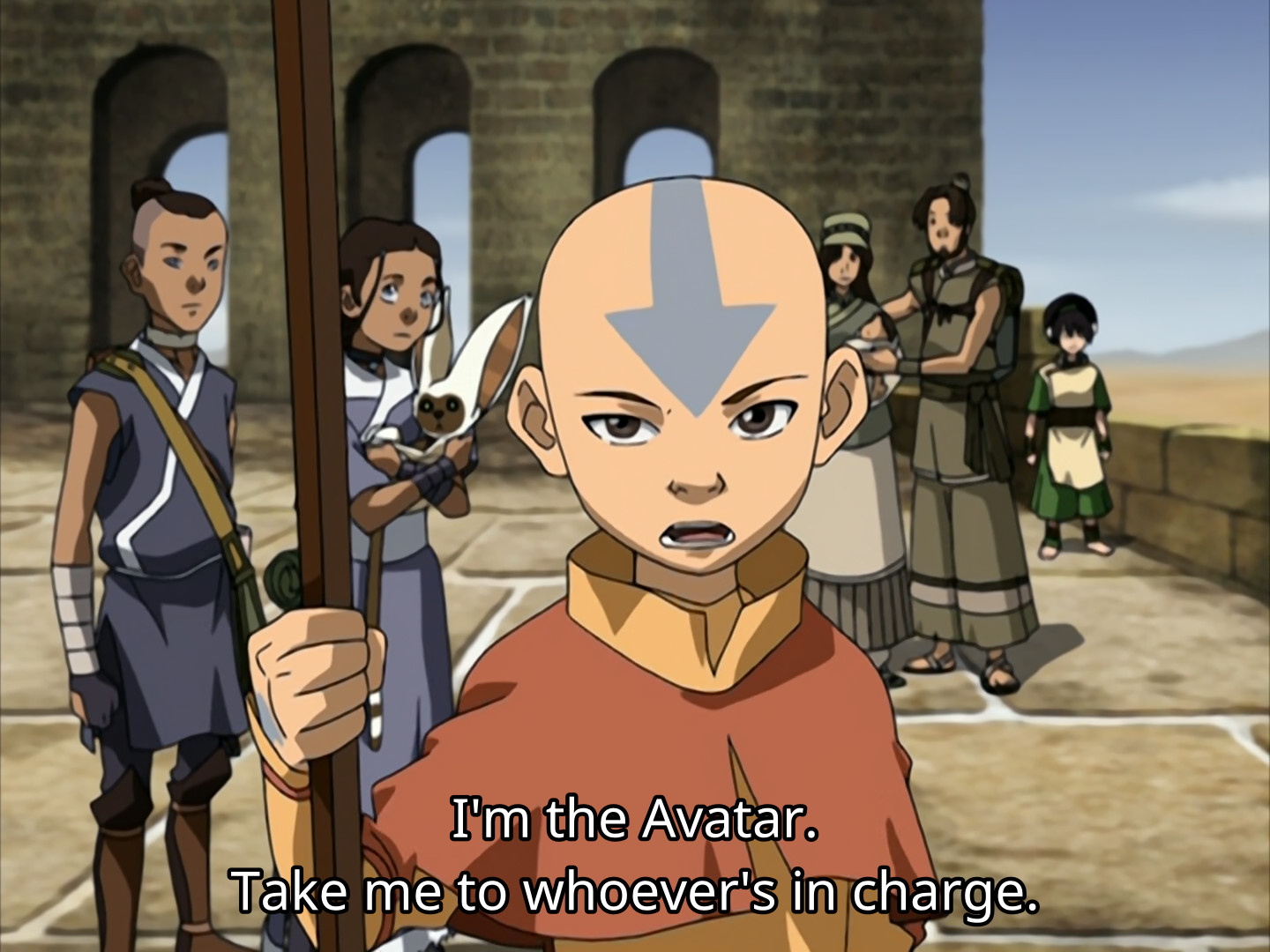
Personal Scorethis criteria uses the DecentFilms rating formula.Letter-Grade Recommendability: C I'm going to start on a positive note, because that is incredibly easy to do. First off, the quality of the presentation here is legendary. The creators have said that Nickelodeon was looking for something in the vein of 2000s giants Harry Potter and Lord of the Rings for themselves, and you can see this level of commitment in how beautifully they animated Avatar. A lot of work was put into making everything come to life in motion and every time characters fought they spared no expense, especially in the finale. I can't praise them enough, in my eyes this aspect of the show is flawless. I do like the world that has been constructed here. Unlike the aforementioned giants of the time, Avatar takes its influences from asian mythology and cultures, most notably Imperial Japan for the Fire Nation and China for the Earth Kingdom. Apart from rare cases — the Aztecs for the Sun Warriors felt out of place, personally — the show succeeds in creating a continent and factions full of character and charm. It's a great setting ripe for all kinds of stories, especially with the very visual magic system of bending arts, which has a "Sorting Hat" appeal for many. I'm all in on firebending, myself. The voice acting is also great here. My exposure to Zach Tyler Eisen before this was Pablo from Backyardigans, so it was a different experience seeing him display a solid range in a more serious tone. It was also fun seeing Mark Hamill present as Fire Lord Ozai, Clancy Brown as Long Feng, and Jason Isaacs as Admiral Zhao. Also Scott Menville, who I made a game out of pointing out every couple episodes regardless of whatever extra he showed up as. Here is where what I universally like about the show basically ends. All of the above elements (pun intended) work to make the show very appealing, but I think it also helps to cover up the weaknesses. To summarize: the characters are a mixed bag, the storytelling is often below-average, and the themes are incredibly progressive. I will cover them in that order. 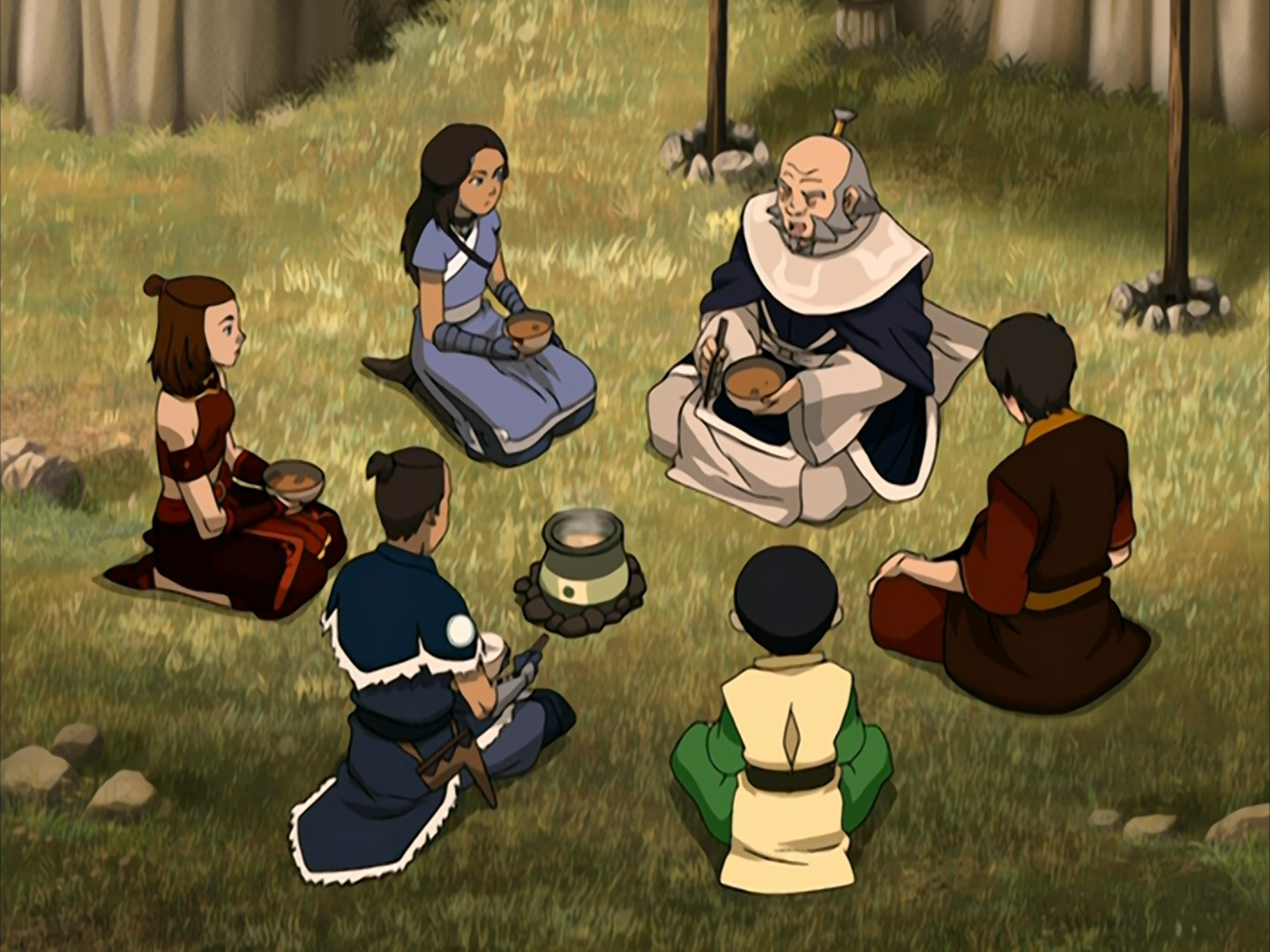 It would be a lie to say that Avatar doesn't have a fun cast, but I'd also argue that many of them aren't very consistently written or are just flat. Katara is a great example of this; I found her to be mainly a mouthpiece for whatever the writers are preaching at a given moment, even when it doesn't make sense. Sokka suffers as a result of this, already the show's comedy relief via punching bag, as he is consistently proven wrong by Katara despite generally having the rational reaction to a given scenario. The show often utilizes comedy at the expense of its characters, most notably Iroh, who will often flip-flop between being a wise sage and a complete idiot (e.g. cold tea). Given the amount of time we spend with the above characters it becomes harder to ignore this problem. That's not a constant with the cast, however. Book Two really stepped up the quality of the character writing with the introduction of Team Azula and the addition of Toph to Team Avatar. I have no complaints with Commander Zhao from Book One, but Azula and her teammates finally make for clever antagonists that actually put pressure on the heroes. Toph is a welcome foil to Katara's lecturing, even if I do find her in a similar boat due to her parents and how she doesn't have much of an arc at all. There are two protagonists of *The Last Airbender*, and I'll start with the weaker lead here. Aang is a tricky character to have as a lead because he's a boy out of time, meaning that he spends the vast majority of the show just passively taking in knowledge about what the world is like. That's not to say he doesn't do anything — he's still a hero, and he is actively training in the different bending styles — but his development as a character is very minimal. The finales for Books Two and Three make attempts at challenging Aang's core, but I think both shy away before doing anything interesting: Book Two cuts things short with the guru and never returns to it, and Book Three pulls a complete cop-out with its moral dilemna. I will elaborate on Book Three's finale later. This is why I and many others are much more partial to Zuko as the main character. Zuko is a somewhat mediocre antagonist at the start of the show, but as other elements are introduced he begins to receive some much-needed characterization and development as his travels begin to make an impression. His on-off relationship with his Uncle Iroh benefits him a great deal, and it culminates in a satisfying story about honor and agency in life. I still think he was rather snubbed in his fight with Azula in the finale, but I won't hold that against the show too hard as it works for his character regardless. 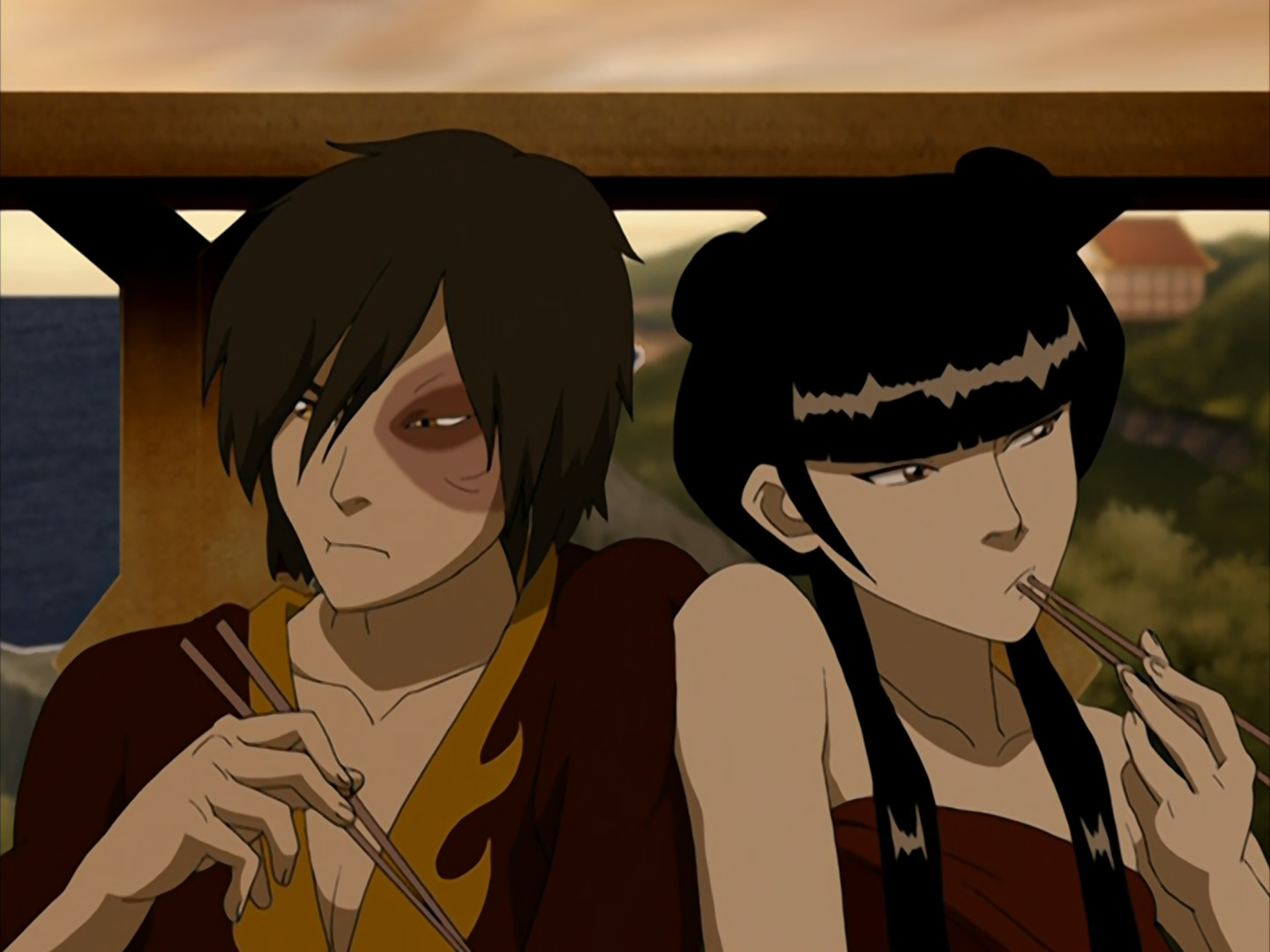 Now the storytelling of the show is debatable, as despite the arcs at play a lot of the show is filler. Said filler is important, as it builds up the world and helps provide character moments on their travels, but I think it comes to the expense of the arcs as some of them are not resolved by the end. We don't get closure between Toph and her parents despite a confrontation almost happening on a couple occasions, and Zuko's mother doesn't get the coverage she needs to match her impact; these are story elements that *should* have been covered and leaving them for later while keeping filler leaves those stories unsatisfied. It doesn't help that most of the filler, while at least entertaining, varies from good to mediocre. The eventual Black Sun Invasion tries to make all of these filler elements relevant, but when all of these random characters show up without any previously established correspondence it comes off as forced fanservice. This is where I'm going to get into the finale, as its storytelling and its themes are intrinsically tied. The finale here is a big deal, something the entire show has been building up to, and just before it the show injects a moral dilemma to be considered: should the Avatar kill Fire Lord Ozai? This is an important decision for the normally-pacifist Aang, and we do see his inner turmoil as he comes to grips with what he may need to do. But then, when it comes down to it in the final battle, it is suddenly revealed that a new power — energy-bending — can easily disable the Fire Lord, completely resolving the conflict without any moral development. While this is the most egregious example, I think this cop-out and the moral dilemma surrounding it are a good instance of Avatar's major thematic failing: its adherence to situational ethics. 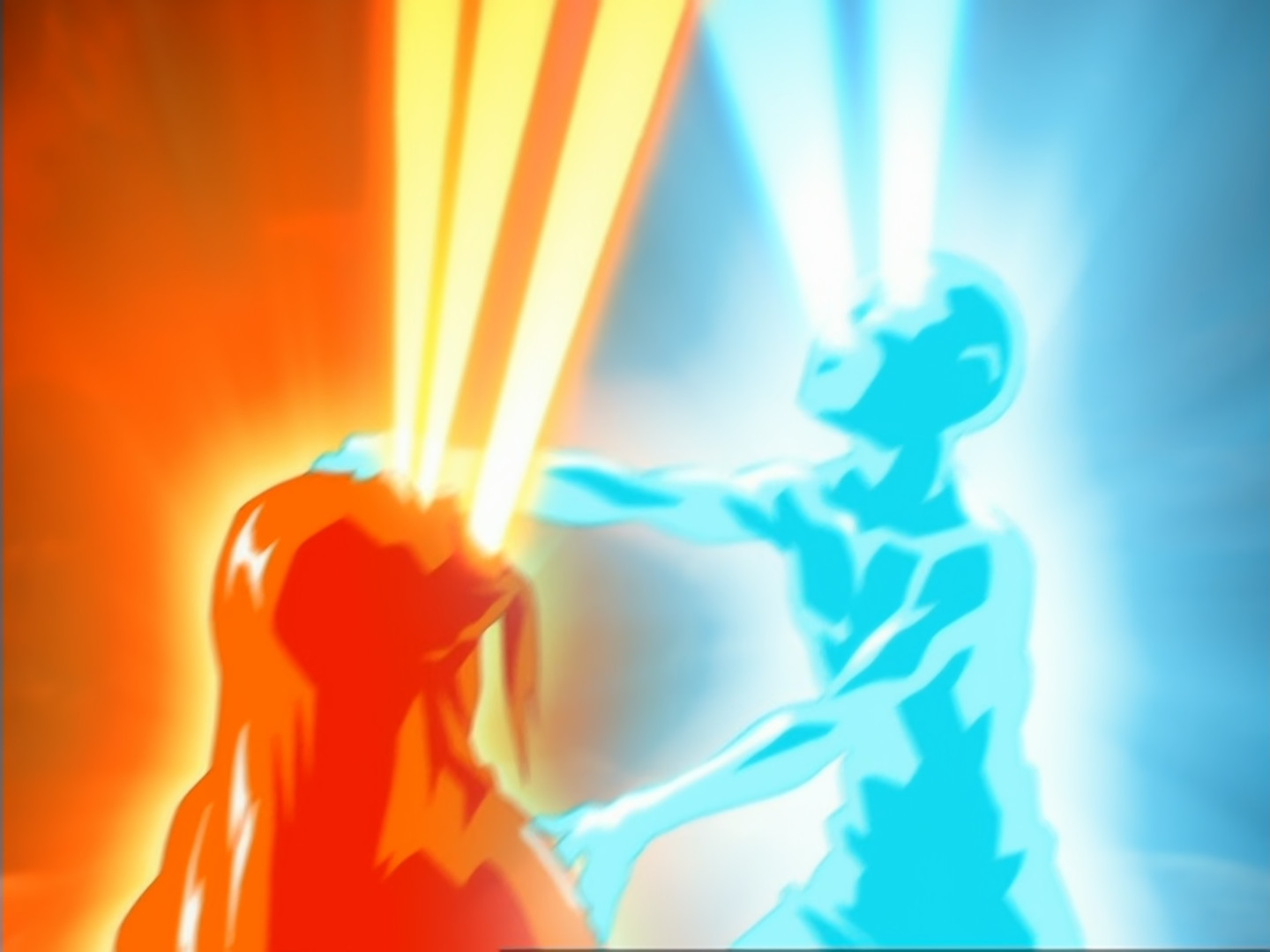 Avatar: The Last Airbender frames its storytelling around situational ethics, judging all characters by the context of their actions rather than by a solid moral standard. This often means that the morality of a story is not so much judged by right-and-wrong, but by how what is being done makes the characters feel. Toph, for example, runs away from her parents not because it's the right thing to do — her parents are in the right for protecting their blind daughter — but because the characters feel like she should have her independence. The feminism Katara exhibits, most notably in Book One, isn't built upon a moral argument against the Northern Water Tribe's patriarchal structure, but rather her own desire to be a fighter; the fight is resolved in a similar way when Pakku's mind is changed, her necklace tugging at his heart. While I'm not here to debate ethics, I bring this up because it often leads to payoffs that feel cheap. Others who subscribe to this theme may enjoy it, but I find it strips the stories of complexity and as a result brings down everything else in the process. Many fans of the show do bring up how the creators seem to have gotten worse over time, notably with later seasons of the sequel Legend of Korra, but I don't believe that's entirely true. Avatar is built out of the same foundational worldview its creators have always had, but under pressure managed to present a new and fantastic setting to the world. I've seen these creators' work before with The Dragon Prince, and I recognize that they are cut from the same cloth. One just had the production value to make it go down easier. 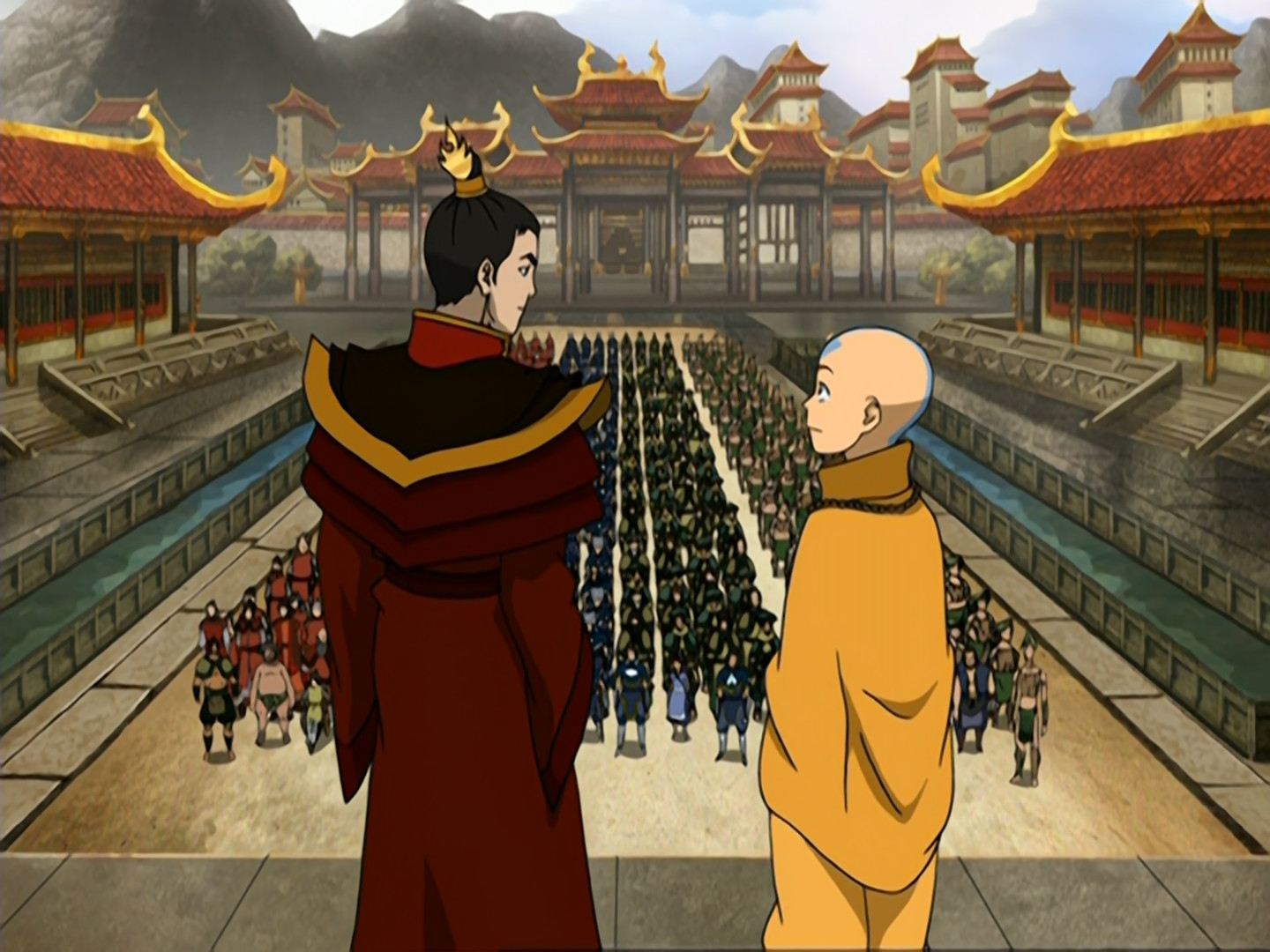 I've been very negative for the latter half of this review, but while I don't hold the show to the level that others do I did enjoy my time with it. I watched in sync with a friend over voice call, a ritual that spanned a few months, and I had a very pleasant time hopping on after work to break down a chunk of episodes. I'm also pitching in to share the Dark Horse Comics, which continue the story and were drawn by Gurihiru, a favorite artist of mine. Avatar: The Last Airbender is one that every cartoon fan will likely cross at some point, and whether for better or worse I think it was the start of a new era of writing for the medium. If for no other reason I think it is a foundational show in the greater retrospective of western animation. |
|
Exodite.org | 2023-2026





|
|