 |
|
| You are here: Index > Surveys of Secondary Worlds > Roadside Picnic (1972) | |
Reviewing Roadside Picnic (1972)[written on 05-11-2026]The concept of extraterrestial visitation has been around for centuries. In classic science fiction such as War of the Worlds, aliens come with the intent to destroy mankind, and in many modern films such as Arrival their goal is to help accelerate human development. But Soviet authors Arkady and Boris Strugatsky pose a different approach: what if the aliens didn't mind us at all? Roadside Picnic is an exploration of the utterly human side of facing science. We have our scholars and our laymen, and the ways that what we know — and what we don't — affect our lives. I think the book does a great job at this, managing to include thrilling adventures amidst frank character analysis to produce what is understandably a classic of science fiction literature. 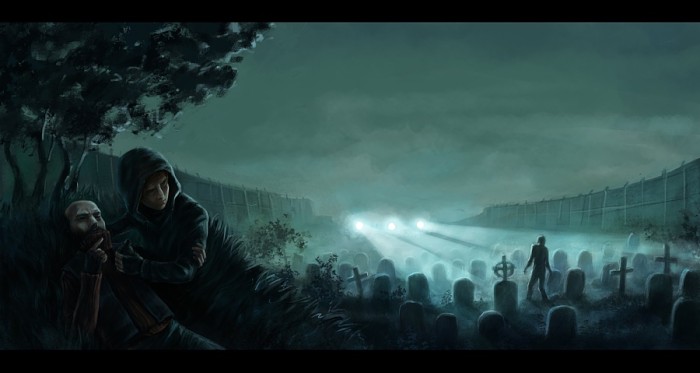
Personal Scorethis criteria uses the DecentFilms rating formula.Letter-Grade Recommendability: A The book centers around an astonishing worldwide event, known famously as The Visitation. Aliens have been to Earth without even showing themselves, leaving behind various spots around the globe as evidence of their arrival. These Zones, as they are aptly called, are sprinkled with anomalous objects and phenomena that defy scientific explanation and offer limitless possibility for mankind. It is these Zones that provide the groundwork for the two stories of the book: how both the common man and the scholar grapple with the existence of the unknown. The greater portion of the story is dedicated to Red Schuhart, a young man who has learned to smuggle anomalous items from the Zone in his town. He is a Stalker, an occupation in defiance of the government's efforts to lock down the area for the safety of the world. The "swag" is legally collected by scientists who attempt to analyze and reverse-engineer them, working in the quest for knowledge; Schuhart and the stalkers, however, are just in it for the profit of selling to the highest bidder. It's a very simple and down-to-earth motivation. 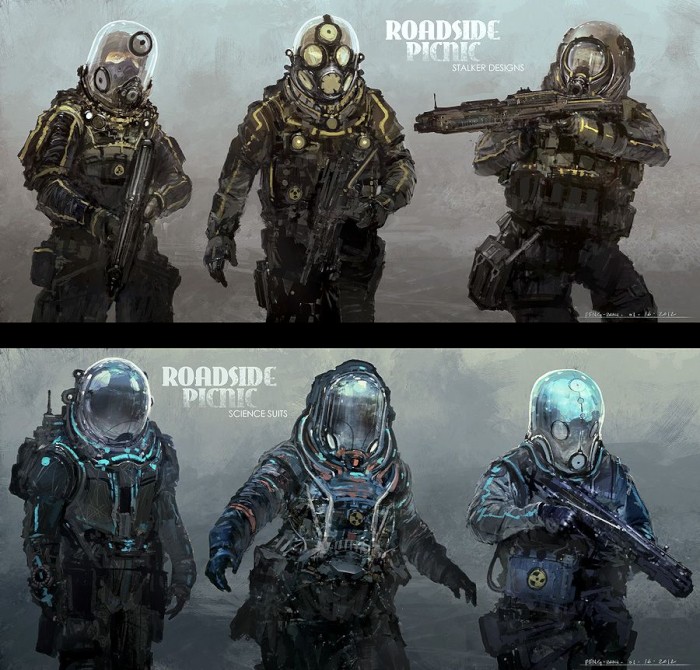 This provides a perspective of the Zone that is hands-on, personal, and thrilling. Schuhart enters on multiple occasions in the book, and the surreality of the place is really captivating. The strange graviconcentrates, the zombies, and the many other anomalies are all presented in a fresh and terrifying way thanks to following a man's evading them during his scavenging runs. There's also the unseen ways that it affects others — just entering the place raises the nerves and disturbs the mind. The book absolutely succeeds in tapping into the primal part of man to illustrate a land that seems to have lost all reason, almost painting a Lovecraftian canvas over the desolate place. The Zone also serves as a reflection of Schuhart's struggles outside of it. He's a man who's been thrown about by change, but all through it he's been fighting to make money first for himself and then his family. In the end, though, he's sold his soul for money and he knows it. It comes out in what the Zone brings out of him, what he does among others, and how it festers at home. By the end of the book it's clear that, no matter how much he blames his circumstances for his lot in life, he has allowed his temper and his greed to rot his soul. It's a scene that has been repeated many times throughout history as the result of developing sciences, a destructive chase of mammon. Just as Lovecraft does, Roadside Picnic also includes a scholarly perspective of what has happened to the world. The book opens with an interview of such a man in Dr. Valentine Pilman, establishing the world and the Visitation. It's not until his discussion with Richard Noonan, however, that we really get into the meat of the themes. The dialogue in that scene is excellent, a full dining experience on topics such as how science actually affects us, how important we think ourselves to be, and what comes from it. I really liked how scientists are constantly scratching their heads even after they make some small breakthrough or find an application for some anomalous technology. No matter how strange the science, humans will remain the same. I enjoyed this book quite a bit. The prose was quite engaging, the characters were portrayed with a great deal of insight into their psyches, and I was fully immersed in the world that the Strugatsky brothers created here. I haven't watched the movie or played the game(s) that this book inspired, but I am certainly motivated to check them out now and see how they differ from this classic work.  |
|
Exodite.org | 2023-2026





|
|